
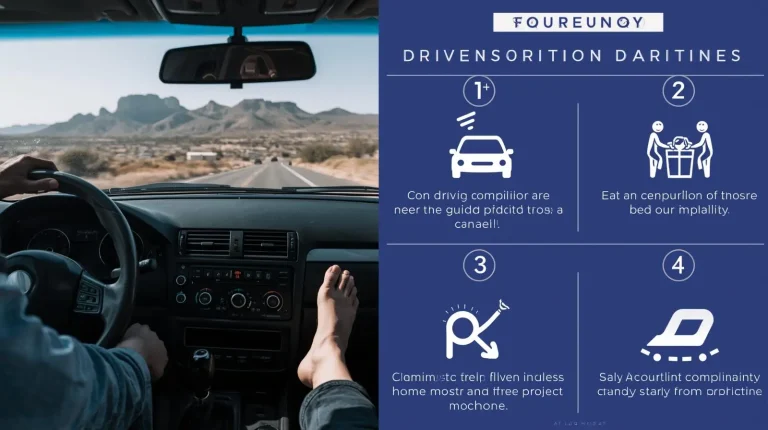
Driving barefoot is something many South Africans do without thinking twice — whether it’s during summer trips, quick errands, or when sandals just feel uncomfortable. But as simple as it seems, the topic of barefoot driving has stirred debate among drivers, safety experts, and lawmakers. Many want to know whether it’s legal, safe, or if new rules could soon change what’s allowed on the road.
This detailed guide explains what the National Road Traffic Act says, why the topic is gaining attention again, and how to stay compliant and safe behind the wheel.
Is Driving Barefoot Illegal in South Africa?
No — driving barefoot is not illegal in South Africa. The National Road Traffic Act (Act No. 93 of 1996) does not specifically prohibit driving without shoes. This means there are no direct penalties or fines for operating a vehicle barefoot.
However, while there’s no explicit law banning it, drivers are still required to maintain full control of their vehicle at all times. If driving barefoot causes you to lose control — for instance, if your foot slips off the brake — you could still face charges for reckless or negligent driving under the same Act.
In other words, being barefoot isn’t the offense — but losing control because of it could become one.
Why Driving Barefoot Can Be Dangerous
Even though it’s legal, several road safety experts warn that barefoot driving can increase risks, especially in emergencies. Here’s why:
- Reduced grip and pedal control – Bare feet can easily slip, especially if your feet are sweaty or the pedals are wet. This can cause delayed braking or uneven pressure on the accelerator.
- No protection for your feet – If glass, stones, or hot debris enter the vehicle, your bare feet are exposed to injury.
- Poor response time in accidents – In stressful moments, wearing shoes with grip offers better stability, allowing you to apply force more accurately.
- Possible insurance disputes – Some insurers might argue barefoot driving contributed to negligence, especially if it played a role in an accident.
- Legal interpretation risk – Even without a clear rule, traffic officers can still interpret “unsafe driving” broadly and issue warnings or fines if your control appears compromised.
Are New Rules or Changes Coming?
There’s no official amendment yet banning barefoot driving, but discussions around driver safety standards are resurfacing. Some policymakers and road safety organizations have proposed reviewing whether footwear guidelines should be included in the National Road Traffic Regulations.
Proposed reforms being discussed include:
- Requiring closed footwear while operating vehicles for professional or heavy-duty drivers.
- Adding “unsafe footwear or lack thereof” as a possible contributor to reckless driving.
- Launching new public awareness campaigns about proper driving attire.
However, as of now, no new law has been passed, and barefoot driving remains legal. Still, drivers should pay attention to any updates from the Department of Transport or official gazettes.
What the Law Currently States
According to Regulation 308 of the National Road Traffic Regulations, a driver must ensure they are in full control of the vehicle and can operate it safely at all times. While the regulation doesn’t mention shoes directly, it indirectly makes you responsible for ensuring that nothing — including being barefoot — interferes with your ability to drive safely.
That means if you’re involved in a collision and the investigating officer believes being barefoot contributed to the accident, you could face penalties under:
- Section 63 of the National Road Traffic Act – Reckless or negligent driving.
- Section 65 – Driving in a manner that may endanger others.
So while being barefoot itself isn’t the issue, its consequences could still make you legally liable.
How to Check Official Driving Rules and Regulations
If you want to review the official laws or check for future updates on barefoot driving, follow these steps:
- Visit the official South African Government website at https://www.gov.za.
- In the search bar, type “National Road Traffic Act 93 of 1996” or “National Road Traffic Regulations 2000.”
- Look for the Department of Transport section to access official press statements and legislative updates.
- You can also visit the Department of Transport portal directly at https://www.transport.gov.za.
- For proposed legislative changes or safety regulations, check the Government Gazette section — it lists all official notices and amendments related to road laws.
- If in doubt, contact your local licensing department or provincial traffic authority for clarification.
This ensures that the information you follow is legally verified and up to date.
Practical Safety Tips for Drivers
Even though driving barefoot is legal, it’s not always smart. Here are some expert-recommended safety habits every driver should follow:
Taking simple precautions can prevent accidents and protect you from unnecessary legal or insurance complications.
Frequently Asked Questions (FAQs)
Final Thoughts
In summary, barefoot driving is still legal in South Africa, but that doesn’t mean it’s always safe. The National Road Traffic Act requires drivers to stay in full control of their vehicle — so if you cause an accident while barefoot, you may still face legal consequences.
While there are no new barefoot driving laws yet, it’s wise to stay informed through official channels like https://www.gov.za and https://www.transport.gov.za. By practicing safe and responsible driving habits — including proper footwear — you can protect yourself, your passengers, and others on the road.